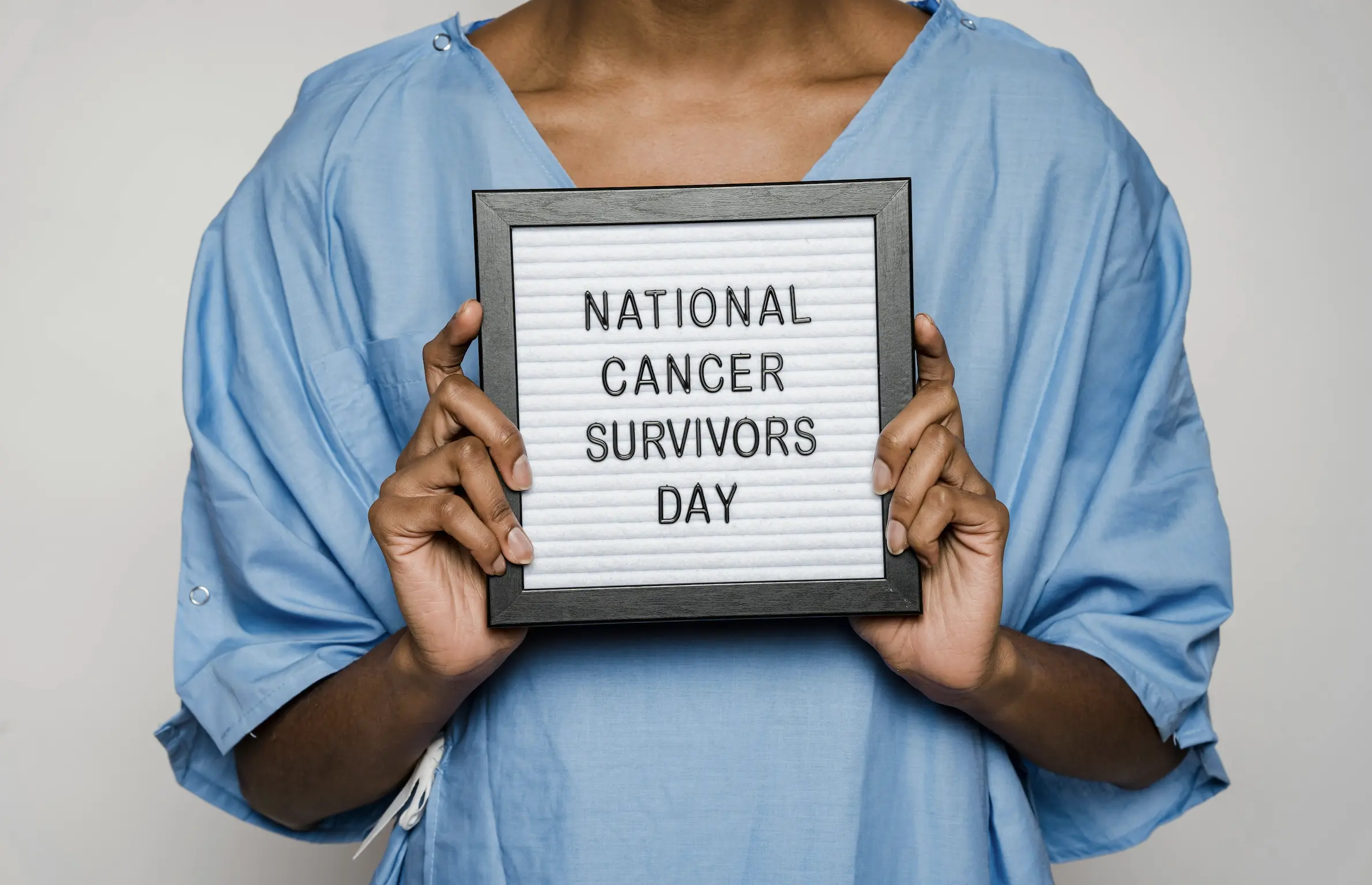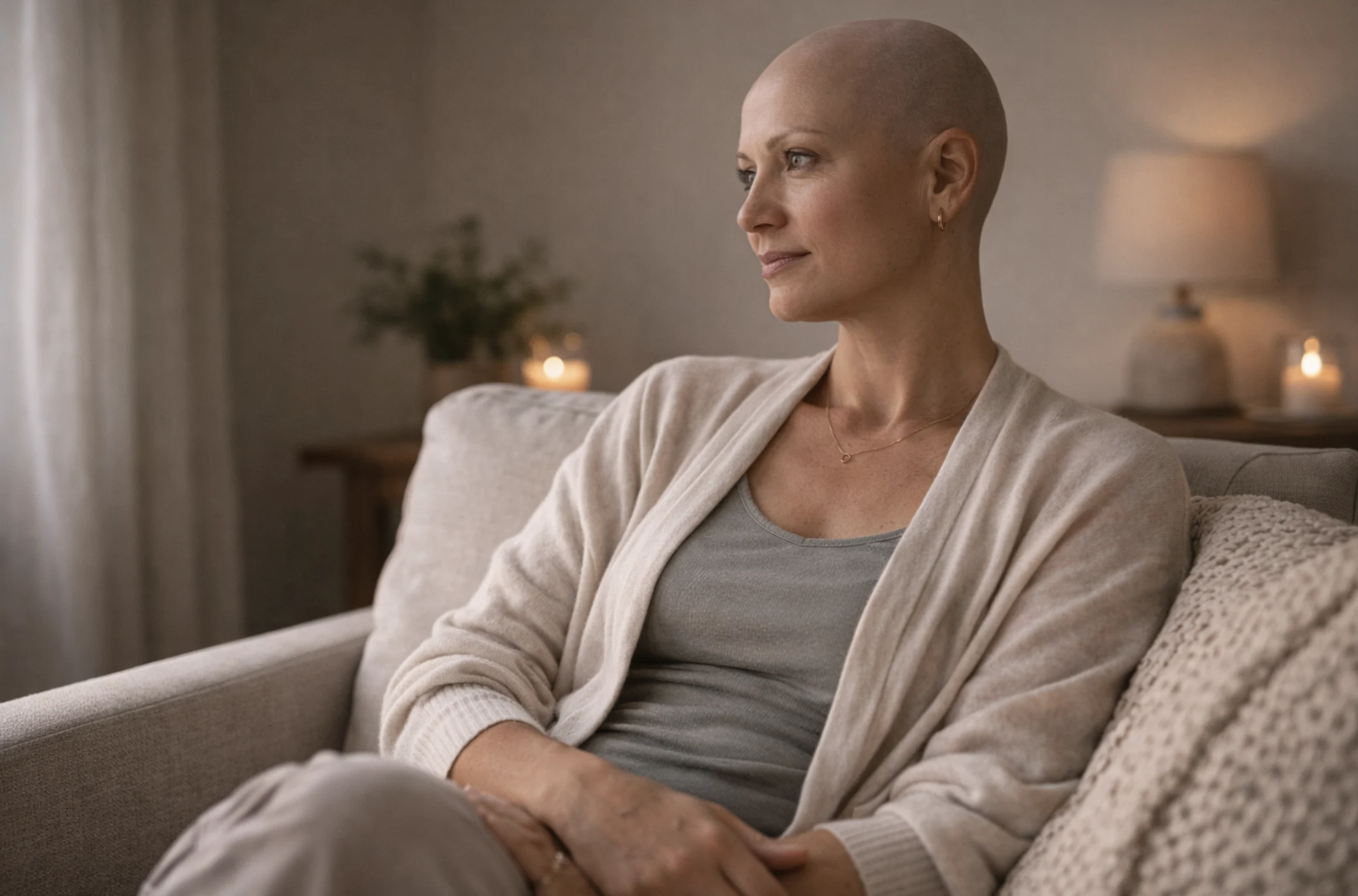
A cancer diagnosis can feel like the world has shifted overnight. Many patients describe the experience as stepping into unfamiliar territory—one filled with appointments, procedures, medical terminology, and life-changing decisions. It is common to experience shock at first, followed by a wide range of emotions: fear about the future, sadness about life disruptions, or anxiety about treatment. Even when surrounded by support, cancer can feel deeply isolating, because no two people experience it the same way.
As treatment progresses, the emotional strain often grows. Fatigue, changes in appetite, pain, or nausea can take a toll on motivation and mood. People may struggle with body image changes, hair loss, or scars, each altering how they see themselves. For some, the hardest part is losing a sense of “normal”—a predictable routine, independence, or the ability to engage in activities that once brought joy. Over time, these emotional and physical shifts can accumulate into depression, anxiety, irritability, or difficulty concentrating.
The emotional weight of cancer does not imply weakness. It is a human response to a life-altering challenge. Research shows that 20–40% of cancer patients experience significant mood or anxiety symptoms. Yet many feel pressure to be “strong” for their families or worry about burdening loved ones with their fear. This silence can intensify emotional suffering. Acknowledging your feelings is an important part of your healing—not a distraction from it.
Therapy can help patients manage fears, navigate uncertainty, cope with treatment decisions, and rebuild a sense of safety. Medications such as antidepressants or anti-anxiety agents can be used safely alongside most cancer therapies and can dramatically improve sleep, energy, appetite, and day-to-day functioning.
Cancer impacts not only the patient but also the entire support system. Caregivers often experience emotional burnout, stress, guilt, and exhaustion as they juggle responsibilities. Families may struggle with communication, role adjustments, financial strain, or grief. Psycho-oncology also provides tools for caregivers to maintain resilience, improve communication, and protect their own mental health while supporting loved ones.
At Iroko Psychiatry, we understand that cancer affects every part of life—not just the body. Our mission is to support patients and families through each stage of the journey, from diagnosis to survivorship. We provide evidence-based therapy, medication management when appropriate, and coping strategies tailored to your emotional needs. Through telepsychiatry and flexible scheduling, we make it easier to receive support even during demanding treatment cycles. You are not alone in this process. Emotional healing is part of the journey, and we are here to walk with you every step of the way.


.svg)