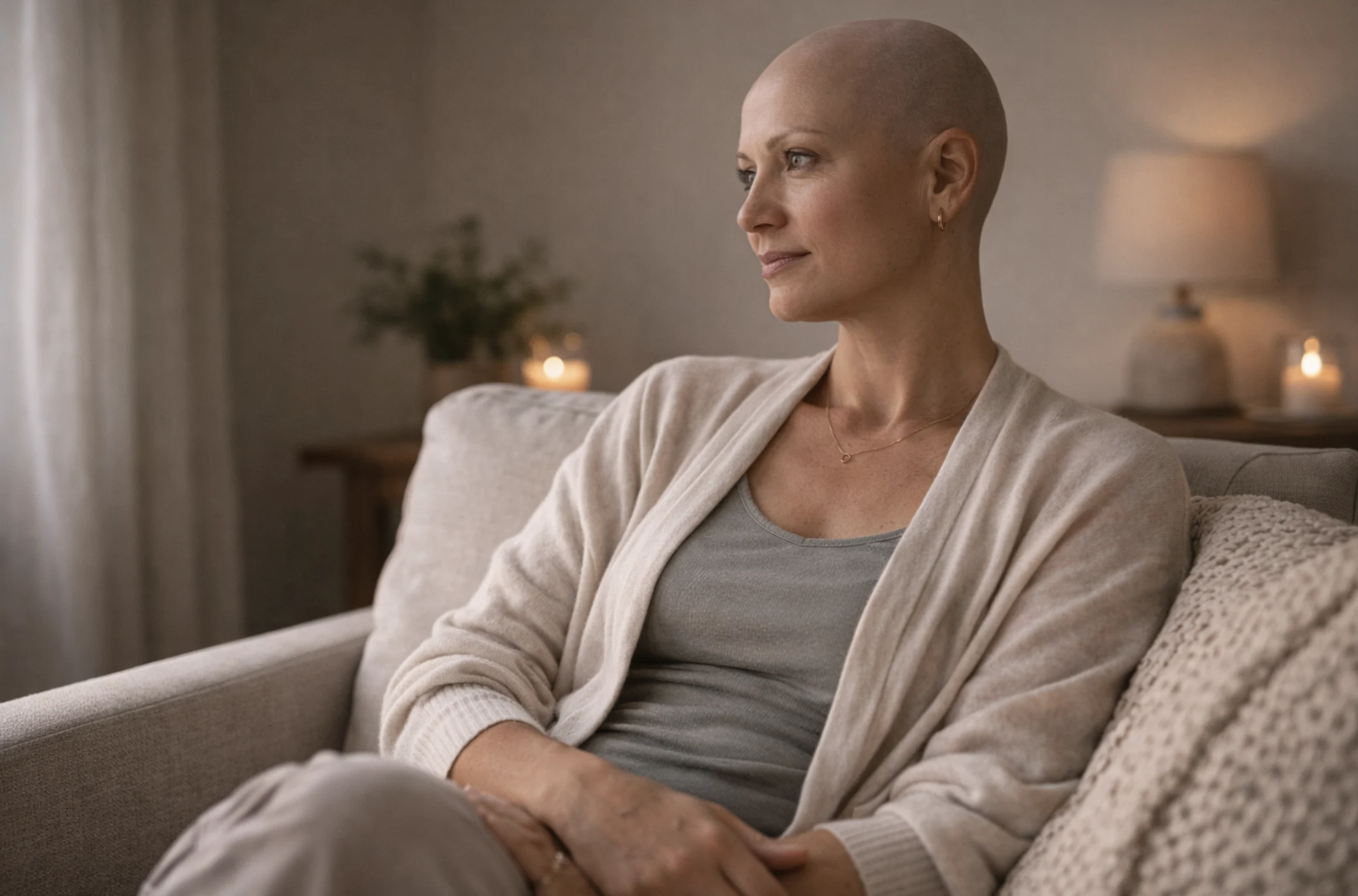
Most people think the hardest part of cancer is the treatment itself—chemotherapy, radiation, surgery, endless appointments, uncertainty, and physical side effects. But for many survivors, the emotional aftermath can be just as challenging. Even after the scans are clear and treatment ends, some patients continue to experience intense fear, intrusive memories, nightmares, or physical anxiety. These symptoms can resemble post-traumatic stress disorder (PTSD), and they are far more common than people realize.
A cancer diagnosis is, by definition, a traumatic event. It threatens a person’s sense of safety, identity, and future. It disrupts routines, relationships, plans, and dreams. The experience of hearing the diagnosis, going through invasive procedures, witnessing bodily changes, and enduring uncertainty can leave deep emotional impressions. For some, certain smells (like hospital disinfectant), sounds (IV pumps, infusion machines), or locations (clinics, waiting rooms) can trigger sudden waves of panic or memories of treatment.
These reactions are not signs of weakness—they are the mind’s natural response to overwhelming stress. Many patients describe feeling “on edge” long after remission, jumping at small triggers, or living in a near-constant state of hypervigilance. Others feel numb, disconnected, or fearful of allowing themselves to feel joy again. Some experience intrusive thoughts about recurrence or dread before routine follow-up tests. These experiences can disrupt sleep, mood, concentration, and relationships.
Unlike traditional PTSD, cancer-related trauma is often complicated by the fact that medical follow-up is ongoing. Survivors must return to the same environments where trauma occurred: oncology clinics, imaging centers, infusion suites. These places can evoke old fears even when patients feel physically well. Every cough, ache, or unusual symptom may bring a surge of anxiety. This creates a cycle where the trauma does not feel “in the past”—it feels like it could return at any moment.
The encouraging news is that these symptoms are treatable, and many patients experience significant relief with the right support. Cognitive Behavioral Therapy (CBT) and trauma-informed therapy can help patients process their experiences, reduce avoidance, and regain a sense of safety. Mindfulness, grounding exercises, and structured breathing can calm the body’s alarm system. For some individuals, medication may play an important role in managing nightmares, anxiety, hyperarousal, or co-occurring depression.
At Iroko Psychiatry, we understand that surviving cancer does not always mean feeling healed. Emotional scars can linger, and acknowledging them is an important part of recovery. We offer trauma-focused care tailored to your unique experience—whether you are newly finished with treatment, years into remission, or navigating long-term follow-up. Through telepsychiatry and flexible scheduling, we make it easier to access support without adding stress to your routine.
You are not alone in these feelings, and you do not have to push through them silently. Healing from cancer includes healing the mind—and we are here to help you reclaim peace, safety, and a sense of emotional balance.


.svg)